What Water Damage Restoration Costs in Racine: The 2027 Guide
Root River Restoration researches water damage restoration in Racine as a specialty, and this guide is part of that work. The local pattern is specific: spring thaw and lake effect rain weeks overwhelm sumps in the older brick stock and basements wet out street by street, frozen pipe breaks in the cape and ranch sections send water through finished lower levels, and aging sewer laterals let storm water back into lower rooms. Homes here are older brick and frame homes near the downtown and lakefront sections, postwar ranch and cape homes in the residential neighborhoods, newer subdivisions spreading west, and apartment stock along the main corridors.
Start with the scenario residents actually meet. If the sump lost the thaw week fight, photograph the high water line before cleanup: the line is the scope evidence. The order that works is diagnosis before price: read the source, document it with photographs and measurements, and only then compare a written scope against the latest published national figures for this trade.
On cost, the honest anchor is the published one. Start with the insurance question in Racine, because it changes how the job gets documented. The coverage pattern for water damage restoration is consistent: sudden events are the commonly covered cases, wear and slow problems are commonly excluded, and the written scope with photographs is the evidence either way. Ranges are guide figures, not quotes: the firm number for your job is the written scope a local pro gives you after an in-person read in Racine.
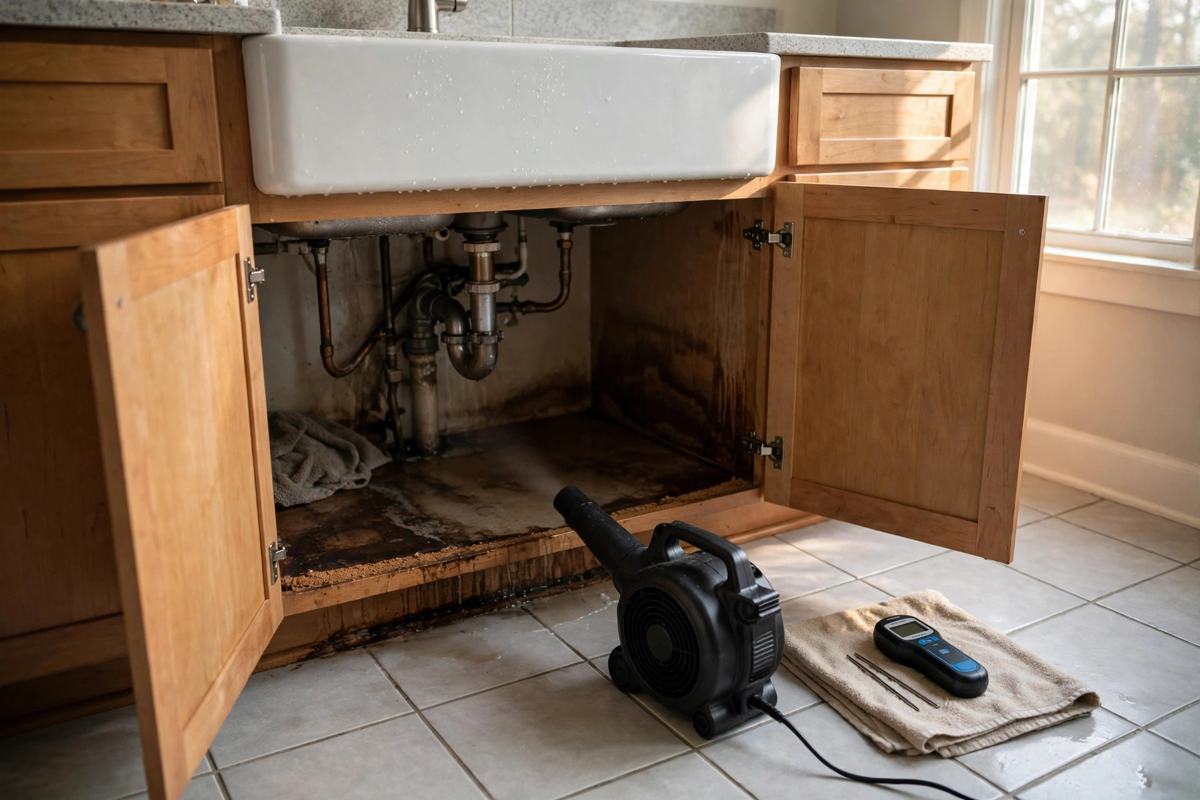
Keep the file together: dated photographs before and after, moisture readings, the itemized scope you approved, and the removal inventory. That documentation is what you receive from the job; what a claim pays is the insurer's decision, and nothing here promises it.
Request a callback
Prefer to talk later? Leave your details and an independent local pro will call you back. No charge to you, no obligation.
Root River Restoration is a free referral service. Submitting this form connects you with independent local contractors who provide the work.